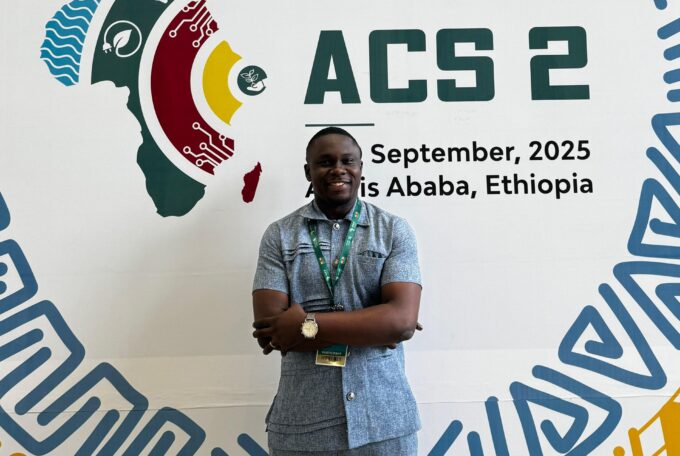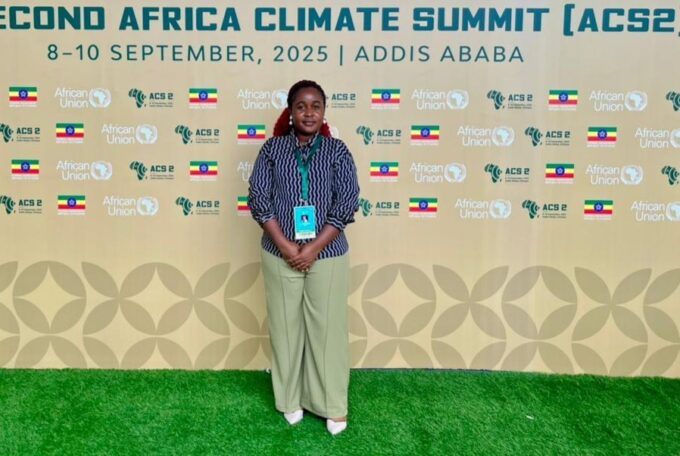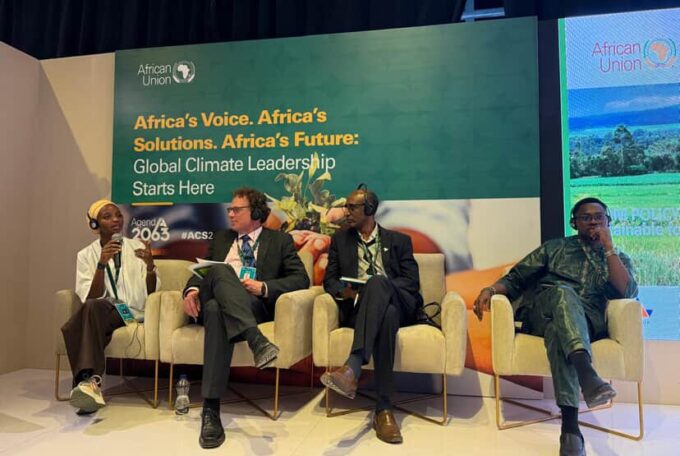
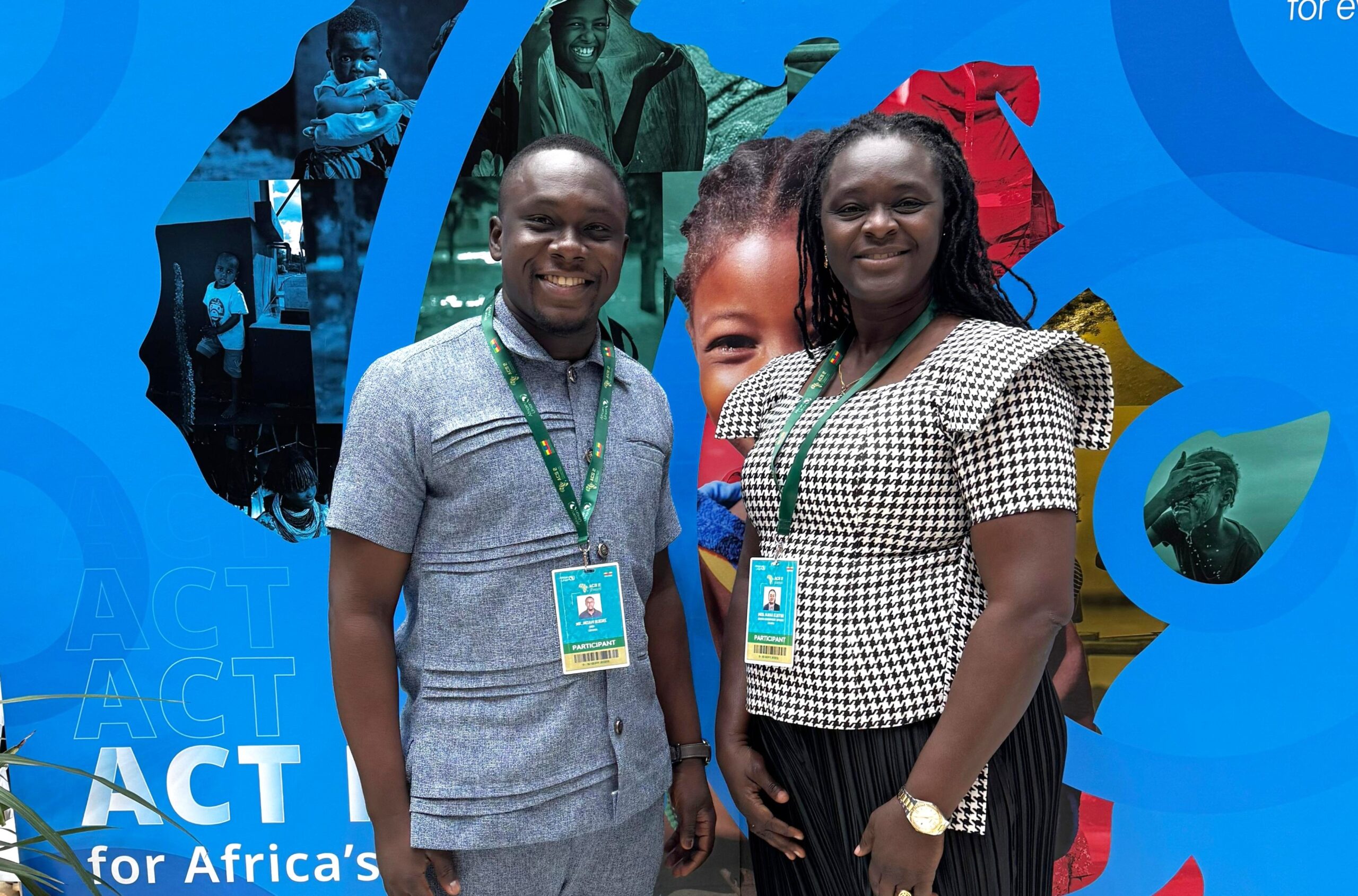
Attending the African Climate Summit was more than just an opportunity to engage with climate leaders across the continent; it was a moment of deep realization. At the Africa-Climate Ocean Solutions Pavilion, I joined a side event on AI’s role in ocean-centered climate interventions. The session featured powerful voices, including the CEO of Ghana’s Environmental Protection Authority, Prof. Brown Klutse (EPA), and a thriving youth leader from Ghana. Their insights struck me profoundly.
As the Convener of the Local Conference of Youth (LCOY) Ghana, I realized that the Blue Economy, which includes our oceans, coasts, and marine resources, has not been a thematic area we’ve consciously integrated into our agenda. This discussion changed that. It reminded me that Africa’s climate solutions must go beyond land and energy to embrace the ocean systems that sustain millions of livelihoods.
Here are my key reflections:
- Technology is not cheap. Leveraging AI and advanced tools to monitor and protect oceans requires investment, but it’s an investment we cannot postpone.
- Context matters. Models for climate and ocean solutions must reflect Africa’s realities, our land use, deforestation pressures, and development needs. Unlike Europe, Africa is still building, expanding, and in some cases clearing land to grow. We cannot simply adopt solutions built elsewhere.
- Unity is missing. The session reminded me how often African countries act in silos. Decisions are made against us on the global stage, and yet we rarely come together to fight back as one voice.
My biggest takeaway is simple but urgent: we must look for solutions from within. Africa has bright youth leaders, technical experts, and indigenous knowledge systems that can anchor ocean-centered climate action. What we need is commitment, resources, and continental solidarity.
As we prepare for LCOY Ghana, I am more convinced than ever that the Blue Economy deserves a place on our agenda. From sustainable fisheries to AI-driven monitoring of marine health, oceans are not a side issue, they are central to Africa’s climate resilience.