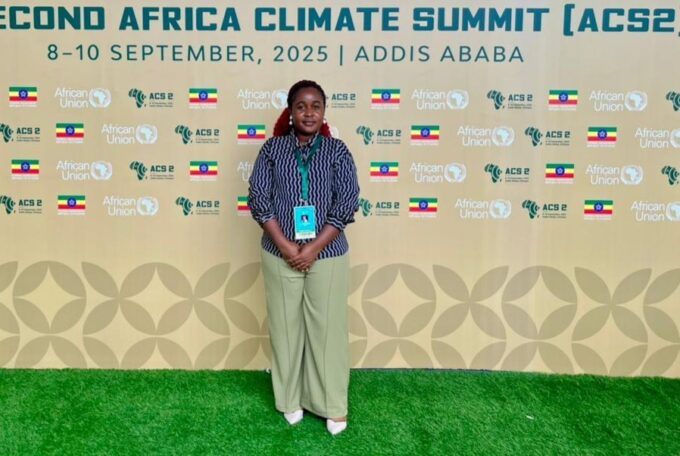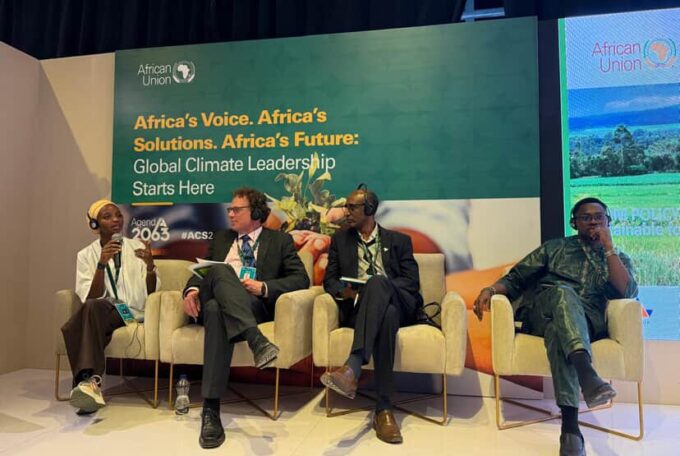
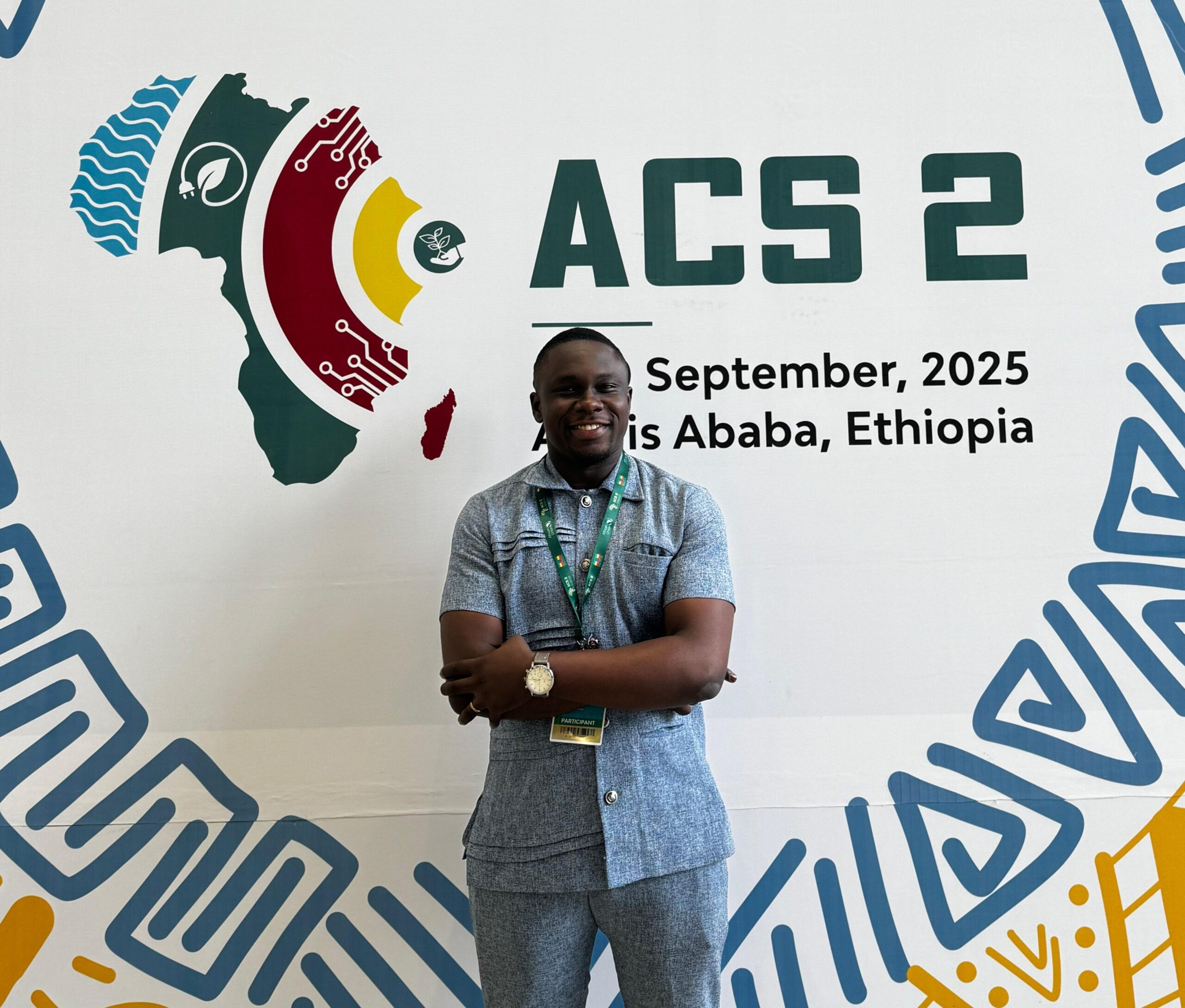
At the Africa Climate Summit 2 in Addis Ababa, I had the opportunity, through the support of YOTA under the African Youth Partnership on Climate Action, to engage in a thought-provoking side event on the role of climate finance units in advancing climate finance across Africa.
One innovation that struck me was the use of AI-powered systems that connect projects to funders. By inputting project details, organizations can receive tailored suggestions of institutions that may be willing to fund their work. For youth-led organizations that often struggle with access to finance, such tools could be transformative.
Climate Finance Units: Building Systems, Not Silos
Institutions like UNDP, the World Bank, and the Rwanda Green Fund are helping shape climate finance units that take a systematic approach, ensuring funding flows are transparent, accessible, and impactful. The critical shift here is seeing climate change as an investment opportunity, rather than simply as a burden.
Uganda’s example was especially relevant. The country is:
- Developing its own AI system for climate finance matchmaking.
- Leveraging carbon markets to unlock resources for sustainable development.
These are lessons Africa must carry forward into its wider climate agenda.
Connecting to LCOY Ghana and COP30
As we build momentum toward COP30 in Brazil, it is clear that youth must not only be present but strategically positioned in the climate finance conversation. Our experiences and innovations at the national and regional levels must inform the global narrative.
This is why, at LCOY Ghana, we will be launching the Global Youth Climate Action Roadmap (GYCAR), a youth-driven framework that takes a three-layered approach to climate finance and implementation:
- Donor Priorities: Aligning with what funders are ready to support.
- Government Commitment Areas: Anchoring youth efforts within nationally determined priorities and climate strategies.
- Youth Implementation Pathways: Ensuring young people are not just recipients but active implementers, innovators, and accountability partners.
By bridging these three layers, GYCAR aims to ensure that youth climate action is well-integrated, well-funded, and impactful, locally and globally.
Final Reflection
Leaving the Africa Climate Summit, I am convinced that the future of climate finance in Africa lies in treating it as an investment in resilience, peace, and prosperity. The youth must not wait to be included; we must position ourselves at the center of solutions.
The road to COP30 is an opportunity to showcase African youth-led innovations, like those we are advancing through LCOY Ghana and GYCAR. It is time to build systems that connect projects to funding, governments to their commitments, and youth to implementation pathways.
Only then will climate finance deliver the transformation our generation needs.