From Mobilisation to Influence: African Youth Prepare to Shape COP31

IMAGE CREDIT: YOTA
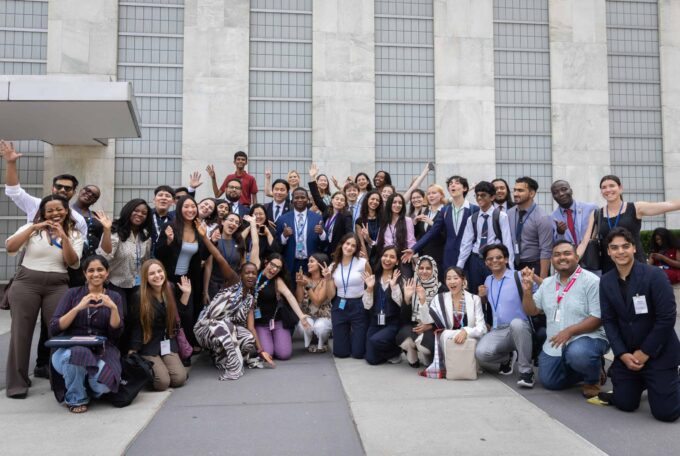
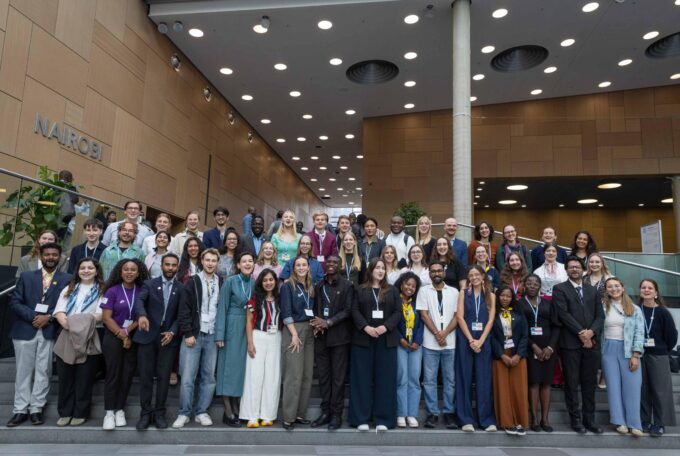
Across Africa, young climate advocates are preparing to carry community priorities into the discussions that will shape the global response to climate change. They are convening their peers, gathering evidence, developing policy positions and strengthening the skills needed to engage with governments and international negotiators.
As COP31 approaches, this mobilisation reflects a clear determination: young Africans intend to help shape the decisions affecting their communities, livelihoods and futures.
The United Nations climate conference takes place in Antalya, Türkiye, from 9–20 November 2026. Negotiations will address issues including adaptation, climate finance, mitigation and just transitions—areas with direct implications for the opportunities and security of Africa’s younger generations.
AYP support for a third consecutive COP
Through the Africa Youth Partnership (AYP), YOTA is supporting the participation of Youth Task Team members from The Gambia, Ghana, Liberia, Nigeria, Senegal and Sierra Leone. Their participation builds on two previous years of support for youth engagement at COP29 and COP30, made possible through funding from the Ford Foundation.
This continuity matters. Sustained support can help youth movements retain negotiating knowledge, strengthen relationships and connect successive international conferences with the work of organising and advocacy at home. It also creates opportunities for young people to develop the experience needed to contribute more confidently to climate policy.
Strengthening national routes into climate diplomacy
AYP’s work towards meaningful participation extends to the institutions through which young people engage. On 6–7 May 2025, YOTA, in partnership with the Ford Foundation, convened government representatives, Local Conference of Youth organisers and Youth Task Team members in Accra to advance National Youth Delegate Programmes. Participants developed country roadmaps for establishing or strengthening structured youth participation in climate diplomacy.
YOTA reports that the workshop helped spur subsequent government action, with The Gambia among the countries responding to the call in 2025. The ambition is to establish sustained pathways through which young people can prepare for international engagements, contribute to national climate positions and maintain dialogue with public institutions.
That ambition is also visible in wider African preparations. In September, youth campaigners in The Gambia presented climate justice demands to the Ministry of Environment, Climate Change and Natural Resources. Their proposals addressed climate finance, just transitions, community protection and national implementation. A senior ministry official received the demands and assured participants that young people would be included in the country’s COP31 delegation.
Elsewhere, Benin’s established youth-delegate programme has continued into a fifth cohort. Four young representatives were selected for COP31 through a government-led process supported by UNICEF and UNDP. Such programmes demonstrate how preparation, selection and engagement with national institutions can create more structured routes into international climate processes.
Community voices shaping national positions
Alongside these institutional pathways, young people are developing the positions they want governments to advance.
In Kenya, months of regional consultations, community engagement and a national virtual consultation culminated in the Local Conference of Youth on 23–24 September. Participants developed a National Youth Climate Statement addressing finance, governance, adaptation, mitigation, inclusion and climate-resilient food systems. The process connected concerns raised in communities with recommendations for national policymakers and the wider youth climate movement.
Liberian youth have similarly placed implementation and accountability at the centre of their preparations. The country’s August LCOY adopted a National Youth Statement calling for institutionalised youth participation, youth-led reviews of national climate commitments and stronger support for climate innovation. Preparations included negotiating-skills training, during which Liberia’s national climate focal point launched a Liberian Young Negotiators Group.
In Cameroon, September consultations brought young people together from across the country to develop recommendations ahead of COP31. Reporting on the gathering highlighted contributions from persons with disabilities and other communities whose experiences can be overlooked in policy discussions. The process sought to translate those perspectives into a national youth statement for engagement with public authorities.
In North Africa, the Mediterranean Youth Foundation’s published LCOY Egypt 2026 programme sets out an extended process of consultations and engagements. Its objectives include updating the national youth climate policy position, strengthening knowledge of adaptation and water security, and widening participation across rural, coastal and border communities. These preparations illustrate the importance of building youth positions through sustained engagement across different local realities.
Building a regional youth agenda
National organising is also connecting with regional coordination.
At RCOY Africa in Accra on 19–20 October, young climate leaders and partner organisations worked to strengthen collective African youth priorities ahead of COP31. According to the All-Africa Students Union, the process includes developing an Africa Regional Youth Statement intended to contribute to the Global Youth Statement at COY21 and support engagement with continental and international climate institutions.
These connections give local organising a wider reach. Through the YOUNGO-supported process, national and regional youth conferences develop proposals that contribute to global youth advocacy. The Global Youth Statement is presented to the COP Presidency and UNFCCC Secretariat and provides a basis for engagement with governments during the negotiations and throughout the year.
The positions emerging from these processes address substantive questions about how climate commitments will be financed, implemented and monitored.
South Africa’s COP31 Youth Statement, presented at a national ministerial stakeholder consultation on 16 October, calls for accessible climate finance, stronger accountability and meaningful youth involvement in decisions about allocating and monitoring resources. It also addresses adaptation, loss and damage, climate education and just transitions linked to employment and livelihoods.
Climate Justice Africa and its partners are also developing an African Youth Position Paper for COP31 through a consultation initiative spanning the continent’s five regions. The draft addresses climate finance, adaptation, loss and damage, energy transitions, food and water security, gender equality and climate governance. Its consultation process offers another route through which young people can contribute to the priorities being advanced towards Antalya.
Preparing for the substance of negotiations
Turning these priorities into effective engagement requires technical preparation.
The African Youth Negotiators Fellowship, organised by the Green Africa Youth Organization with EPA Ghana and the Climate and Development Knowledge Network, sets out a 2026 programme combining foundational learning, intensive training, mentorship, policy development and engagement around COP31. Its emphasis on negotiation procedures, policy writing and practical exercises reflects the capabilities needed to engage with complex international processes.
Within AYP, negotiating experience is already being developed. A Youth Task Team member from The Gambia, also participating as a Climate Vulnerable Forum Youth Fellow, documented her engagement at the June Bonn climate meetings as part of her country’s national delegation. Her account describes following adaptation negotiations, contributing to national discussions and delivering interventions on behalf of The Gambia and YOUNGO.
Carrying priorities into decisions
Such experiences show how youth leadership can connect community advocacy with the detailed work of climate diplomacy. They also underline why access, preparation and sustained support need to develop together.
For YOTA and the Africa Youth Partnership, COP31 is a further opportunity to strengthen that connection. Supporting Youth Task Team members to participate builds on an approach that combines learning, collective organising, engagement with governments and access to policy spaces.
As young Africans prepare for Antalya, they are bringing proposals, practical experience and expectations of accountability. Their priorities are rooted in the communities already responding to floods, coastal erosion, food insecurity, pressures on livelihoods and other climate impacts.
The work ahead will involve carrying those priorities into discussions, building alliances and maintaining engagement as decisions take shape. After the conference, the task will continue through sharing knowledge, tracking commitments and pressing for implementation at home.
Across these preparations, African youth are demonstrating their readiness to contribute. Their mobilisation is building the knowledge, collective voice and institutional relationships needed to take their rightful place in climate decision-making.