HLPF 2026 creates new openings for youth – but delivery must follow
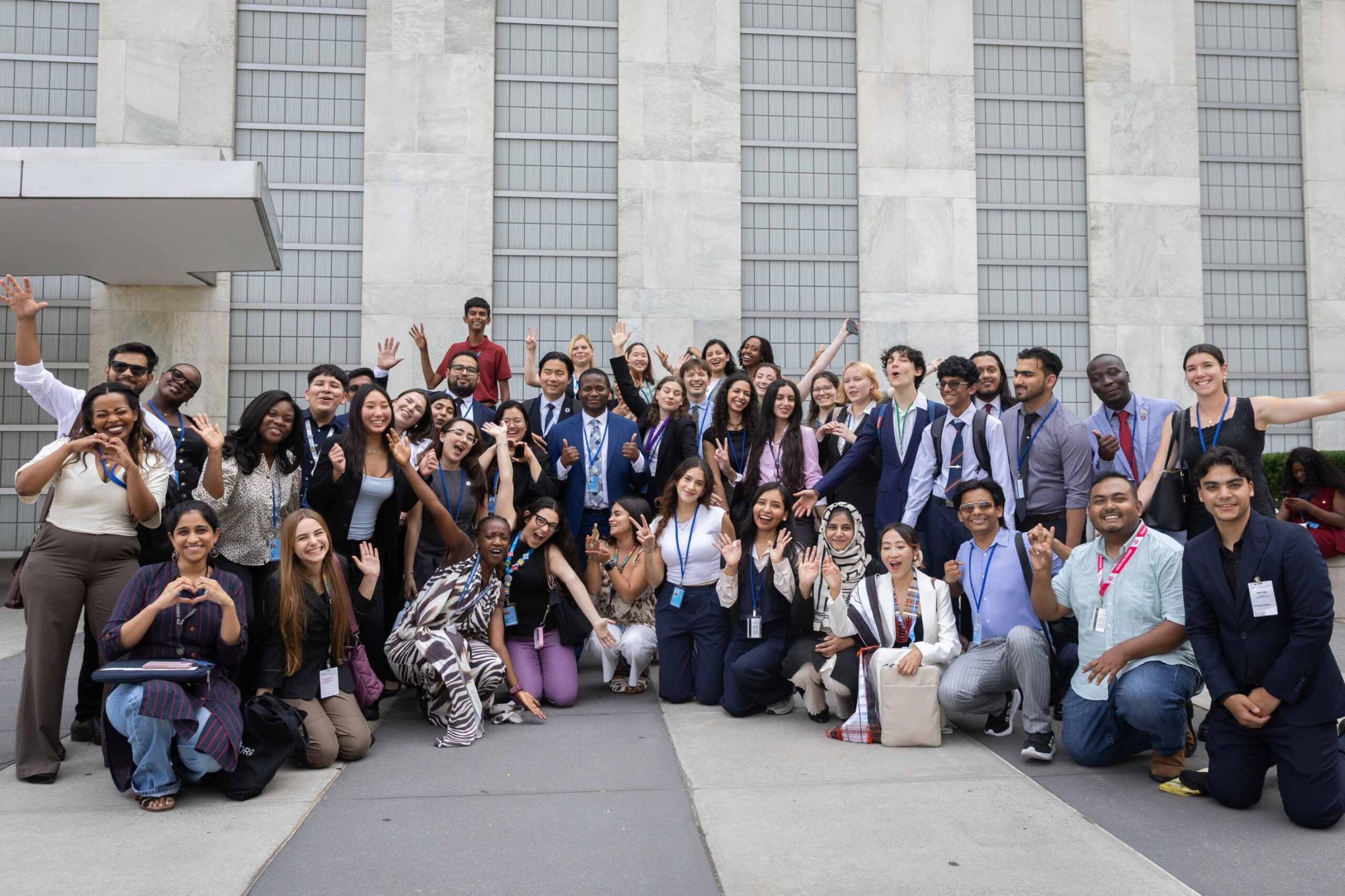
IMAGE CREDIT: Photo by IISD/ENB – Kiara Worth
The 2026 United Nations High-level Political Forum on Sustainable Development (HLPF) concluded in New York on 15 July with renewed commitments to accelerate progress towards the Sustainable Development Goals (SDGs).
Meeting under the auspices of the UN Economic and Social Council from 7 to 15 July, the Forum reviewed progress on clean water and sanitation, affordable and clean energy, industry and innovation, sustainable cities, and partnerships for sustainable development. It concluded with the adoption of a negotiated Ministerial Declaration.
For young people, the declaration contains several important commitments. These include stronger youth engagement in national SDG reviews, improved access to decent work and technology-intensive industries, action to close the digital divide, and consultation with young people in urban development.
These are meaningful openings for African youth advocates. However, the declaration remains a political commitment rather than a binding implementation plan. Its value will therefore depend on what governments, development partners, and institutions do next.
A stronger role for youth in national SDG reviews
One of the clearest youth-related outcomes concerns Voluntary National Reviews (VNRs), through which governments report on national progress towards the SDGs.
Thirty-six countries presented reviews at the 2026 Forum. The Ministerial Declaration encourages countries to ensure the full, equal and meaningful participation of stakeholders in preparing and implementing national sustainable development strategies. Crucially, it also calls on governments to strengthen youth engagement in VNR processes.
This gives youth organisations an important advocacy entry point. Young people should not be consulted only when a national report is nearly complete. They should be involved in setting priorities, gathering evidence, reviewing progress, and monitoring the implementation of recommendations.
For African countries, this means establishing transparent national mechanisms through which youth organisations, including rural youth, young women, young people with disabilities and those working in informal economies, can contribute to SDG planning and accountability.
The commitment is significant, but it does not automatically guarantee young people’s decision-making power. Governments will need to translate it into formal representation, accessible consultations, timely information and resources that enable diverse groups of young people to participate.
Decent work, skills, and digital opportunity
The declaration’s commitments under SDG 9 – industry, innovation and infrastructure are especially relevant to Africa’s growing youth population.
Governments committed to promoting decent work and access to opportunities for young people, including by expanding youth participation in technology-intensive industries such as information and communications technology and artificial intelligence.
The outcome also calls for stronger digital and information literacy, technical and vocational education and training, tertiary education, entrepreneurship and collaboration between universities, research institutions, industry and communities.
These commitments align closely with the priorities of young Africans seeking pathways into productive employment, innovation and enterprise. They could support new opportunities in renewable energy, climate-smart agriculture, sustainable construction, digital services and other emerging sectors.
The declaration also recognises the digital divide between younger and older people, alongside inequalities between rural and urban communities, women and men, and persons with and without disabilities. It calls for investment in digital infrastructure, connectivity, skills and technological capacity in developing countries.
Yet no new dedicated financing mechanism or measurable youth employment target was agreed at the Forum. National budgets and development programmes must now give practical effect to these commitments if they are to improve young people’s lives.
Water, energy and cities are youth issues
The SDGs reviewed in 2026 have direct consequences for young people, even where they were not framed exclusively as youth priorities.
Progress on clean water and sanitation determines young people’s health, educational participation and economic prospects. Access to reliable and affordable energy affects learning, enterprise development, digital participation, and employment. Sustainable infrastructure and inclusive cities shape whether young people can reach schools, workplaces, services, and public spaces safely.
Under SDG 11, governments agreed to strengthen access to safe, inclusive, accessible and environmentally sustainable public spaces, developed in consultation with young people and other affected groups. The declaration also calls for greater investment in affordable housing, public transport, resilient infrastructure and localised SDG implementation.
The importance of these commitments was visible in the national reviews presented by African countries. Reporting from the Forum highlighted progress and continuing challenges in areas including water, electricity, renewable energy, and urban development in Cameroon, Gabon, Rwanda, Somalia, and Tanzania. In several cases, gains have struggled to keep pace with population growth, climate shocks, and demand for essential services. IISD’s HLPF coverage provides further details.
Youth participation was visible, but influence must be sustained
Young people were strongly represented during the Forum. The Major Group for Children and Youth, the formal mechanism for youth engagement in UN sustainable development processes, facilitated the participation of almost 400 young people at HLPF 2026. Photographs and reporting from the Forum documented their presence across the proceedings.
The declaration also recognises youth as important partners in achieving and localising the SDGs. It calls for partnerships between governments, international organisations, civil society, academia, businesses, local actors and young people.
Participation, however, should not be measured only by the number of young people attending international meetings. Meaningful engagement requires young people’s recommendations to influence decisions, budgets and implementation. It also requires feedback explaining which proposals were accepted, which were not, and why.
The next phase must therefore move from youth presence to youth influence.
A widening gap between commitment and delivery
The Forum took place against a difficult global backdrop. The UN Secretary-General’s 2026 progress assessment found that only 36 per cent of the 139 SDG targets with sufficient data were on track or showing moderate progress. The Ministerial Declaration also acknowledged that the annual financing gap for sustainable development in developing countries had reached an estimated US$4 trillion.
Debt burdens, declining development assistance, conflict, climate impacts, and limited fiscal space continue to restrict the ability of African governments to invest in essential services and economic opportunities.
The declaration reaffirmed support for the African Union’s Agenda 2063 and its second ten-year implementation plan. It also called for reforms to development finance, greater international cooperation, and implementation of the Sevilla Commitment on financing for development.
For African youth, these wider financing decisions are central to whether commitments on jobs, skills, clean energy, water and sustainable cities become reality.
Turning the HLPF outcome into action
Following the New York meetings, African youth organisations can use the declaration as an accountability tool. Priorities should include pressing governments to:
- establish formal youth participation mechanisms for VNR preparation and follow-up;
- publish youth-responsive SDG implementation plans with clear budgets and timelines;
- invest in green, digital and technical skills linked to decent employment;
- improve youth-disaggregated data for tracking inequalities and outcomes;
- finance youth-led local solutions rather than limiting support to consultation; and
- report publicly on how youth recommendations have influenced policy.
The Africa Youth Partnership’s Youth Task Teams, active across ten African countries, are well placed to connect local evidence with national and international advocacy. By monitoring national commitments, documenting young people’s experiences and proposing practical solutions, youth networks can help turn the HLPF declaration into measurable progress.
HLPF 2026 has created useful openings for youth participation, decent work, digital inclusion and local action. The outcome will only be meaningful, however, if young people can see the difference in their communities: in accessible services, sustainable livelihoods, safer cities and a genuine role in shaping the decisions that affect their future.