Young people bring global demands for climate justice to COP31
IMAGE CREDIT: YOTA
Shaped through local and regional consultations, the Global Youth Statement 2026 will guide youth advocacy in Antalya, with demands for stronger climate action, accessible finance and lasting influence over decisions.
Young climate advocates will press governments at the UN Climate Change Conference (COP31) to turn their priorities into decisions that protect communities and support a fair transition. Their shared agenda, set out in the Global Youth Statement 2026, will bring demands developed through national and regional youth processes into the negotiations in Antalya, Türkiye.
Coordinated by YOUNGO, the official children and youth constituency of the United Nations Framework Convention on Climate Change (UNFCCC), the statement will provide a common basis for advocacy during the conference, which is scheduled for 9–20 November. Its proposals address the ambition of climate plans, the terms of climate finance and the rights of people affected by climate change.
Local priorities shape a global agenda
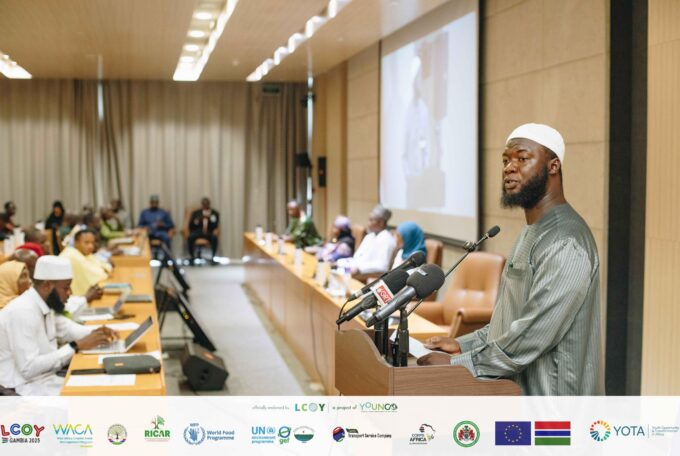
The statement draws on a process that began well before delegates arrived in Antalya. Local Conferences of Youth (LCOYs) enabled young people to identify national priorities, while Regional Conferences of Youth (RCOYs) brought together concerns shared across countries. These outputs, alongside thematic working groups and individual submissions, informed the global document.
As the UNFCCC explains, national and regional statements feed into the Global Youth Statement while also supporting advocacy within countries. The process allows young people who cannot attend COP to contribute through organising closer to home.
Climate Cardinals, which is supporting the statement’s distribution, describes more than 50 policy hackathon sessions used to refine inputs before volunteers brought them together. Co-hosts of the 21st Conference of Youth (COY21) report contributions from more than 100,000 children and young people worldwide.
The resulting agenda will give youth advocates a shared basis for engaging governments, while national statements will remain tools for pursuing specific changes at home.
Stronger climate plans and a fair transition
YOUNGO’s ten key points summarising the statement call for national climate plans to reflect science, the Global Stocktake and the International Court of Justice’s climate advisory opinion. They also seek a rapid, fair and feminist fossil fuel phase-out, alongside equitable transitions shaped by communities.
For youth advocates, the transition will also raise questions about work, skills and economic opportunity. The Food and Agriculture Working Group’s contribution makes those questions concrete. It calls for protection of informal, seasonal and migrant rural workers, stronger support for young farmers and access to land. It also seeks investment in cooperatives and local food markets.
These proposals will bring rural livelihoods into discussions about a just transition. They ask governments to consider how climate policy can protect people whose incomes depend on farming, fisheries and other activities already exposed to climate risks.
Finance that communities and young people can access
Two linked priorities concern predictable, grant-based finance reaching frontline communities, and permanent, flexible support for climate action led by children and youth. The agenda also calls for fairer access to technology, knowledge and capacity-building.
National youth statements show what these demands will mean in practice. In their contribution to the Global Youth Statement, Somali young people call for fast, fair and directly accessible grants. They also seek loss and damage finance for displaced and frontline communities, alongside support for water security and early warnings.
Youth in the Netherlands similarly place transition finance without additional debt among their priorities. Their statement calls for communities to evaluate adaptation and for young people to participate in governing the transition.
At COP31, these positions will direct attention to the conditions attached to finance and the institutions that control access. Youth organisations will be asking whether funding arrangements can support the local initiatives and communities identified through their consultations.
Rights and protection for communities
The global priorities call for a healthy environment, protection of environmental defenders and civic space, and respect for Indigenous rights. They also include an immediate global ceasefire and protection of civilians facing conflict and climate impacts.
Regional positions show why this rights agenda matters. The Pacific Youth Climate Statement, developed through RCOY Oceania in Suva, connects climate action with ocean protection, cultural identity, sovereignty and communities’ relationships with their lands. Its priorities include locally led adaptation, community access to finance and protection of Indigenous and traditional knowledge.
From Pakistan, ClimateWatch’s submission to the global process brings the concerns of mountain and climate-vulnerable communities. It calls for frontline access to finance, preventive adaptation and people-centred early warnings.
These contributions will help youth advocates keep attention on the people and places affected by negotiating choices. They also show why a shared global agenda must retain the different experiences that shaped it.
Participation with lasting influence
The global agenda seeks formal, representative participation by children and youth in climate governance. National processes will provide specific proposals for achieving that ambition.
In West Africa, youth statements documented by YOTA call for formal representation, accessible youth climate funds and public scrutiny of delivery. The Gambia’s statement proposes a minimum 30% youth quota in climate decision-making bodies. Ghana’s youth proposals connect representation with community monitoring of adaptation spending. Sierra Leone’s statement combines demands for direct finance with disability inclusion and accessible warnings.
Such proposals will give governments practical measures to consider. They will also give youth organisations a basis for following up after COP31, including asking how recommendations have informed budgets, programmes and public decisions.
Taking the demands into the negotiations
During COP31, youth advocates will use the statement in engagement with national delegations, negotiating groups and the conference leadership. The Youth-led Climate Forum programme will provide opportunities to discuss just transition, Action for Climate Empowerment, adaptation and loss and damage with negotiators and technical experts.
The statement is an advocacy document. Governments will need to take its proposals into negotiations and agree the decisions required to implement them. Youth organisations will continue pressing for those responses throughout the conference and afterwards.
For YOTA, this agenda connects with support for national youth organising and participation through the Africa Youth Partnership, funded by the Ford Foundation. That support will help young advocates from six West African countries bring priorities developed at home into international policy spaces.
As negotiations proceed, youth organisations will be looking for clear responses to the demands they have developed. The test will be whether COP31 advances decisions and support that communities can use, and whether governments give young people a sustained role in implementing and scrutinising climate action.